How Do Instagram Nano Influencers Make Money?
You don’t have 50,000 Instagram followers, a blue check, or a million-view Reel. Does that mean you can’t make money on Instagram?
Not at all. A creator who shares genuinely useful tips with 2,000 houseplant lovers could be a better match for a gardening brand than someone with a huge audience who rarely talks about plants. The follower count is only part of the story.
Nano influencers generally have 1,000 to 10,000 followers, and their smaller, more focused communities can be valuable to brands. But working with brands doesn’t always mean getting paid.
Free products are nice, but they don’t pay the bills. Here’s how nano influencers earn money, what they might charge, and how to get started.
How Much Can a Nano Influencer Charge for Sponsored Content?
Here’s the encouraging part: you don’t have to reach 10K followers before landing a paid collaboration.
Skincare creator Jalyn Baiden, for example, told Business Insider that her starting rate for a three-frame Instagram Story was $350. She had around 4,000 Instagram followers when the outlet interviewed her in 2023 (plus an audience on TikTok).
That’s her quoted rate, not a guarantee. InfluencerFee’s 2026 guide estimates roughly $50–$500 per sponsored post for creators starting out, though the figure isn’t an independently verified benchmark.
Why such a wide range? Brands aren’t simply buying your follower count. They’re considering who follows you, whether those people pay attention, the work involved in creating the content, and what they can do with it afterward.
So, where does the money come from?
7 Ways Instagram Nano Influencers Make Money
Some brands pay you to reach your followers. Others pay you to create content they can use. You can also earn directly from your audience.
1. Partner with Brands on Sponsored Content
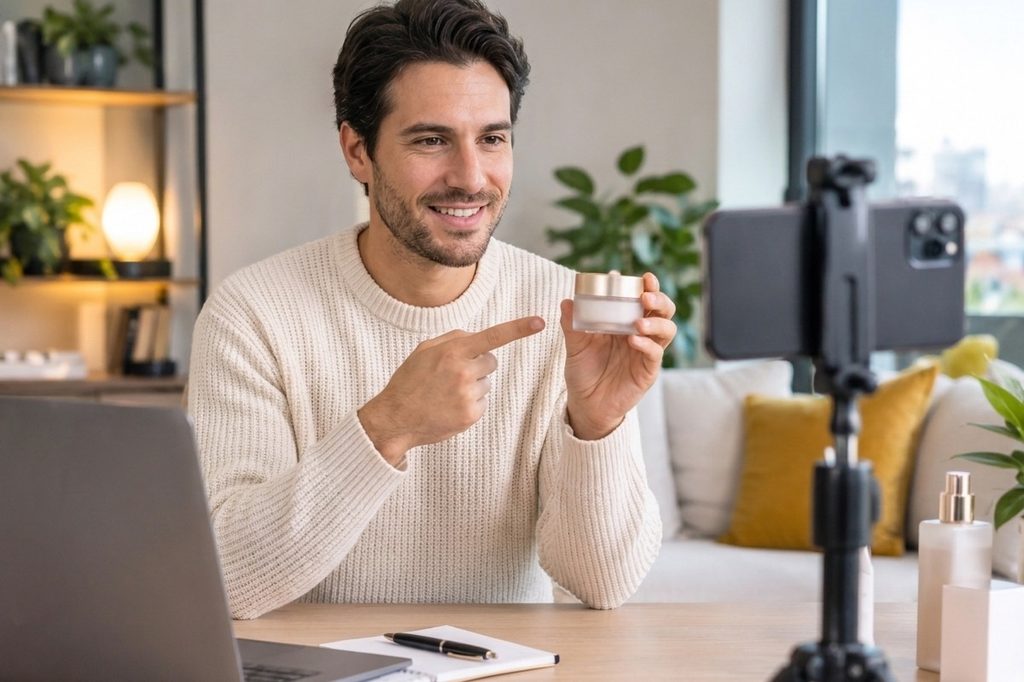
This is the familiar one: a business pays you to feature its product in a Reel, photo post, or set of Stories.
Say you run an account about making the most of tiny kitchens. A cookware brand could pay you to demonstrate how its little frying pan fits into your everyday cooking routine. That’s a much more natural partnership than suddenly promoting a gaming headset.
You can pitch brands or, if eligible, explore Instagram’s creator marketplace.
Before you film, agree on the fee and where the brand can use your video. Using it in ads or on its website is different from posting it on your page.
2. Create Content for Brands Without Posting It Yourself
Here’s a route that doesn’t get quite enough attention: user-generated content (UGC) creation.
Rather than paying for access to your audience, a brand pays you to make content for its own accounts or ads. Think an unboxing video, a quick product demonstration, or a clip showing how something works in real life.
That means a creator with 1,200 followers can still be a strong candidate if they’re good at filming, editing, and explaining things clearly.
If that sounds like you, make a few sample videos using products you already own. Just remember to discuss revisions and advertising rights. A brand sharing your video once on its page is different from using it in ads for months.
3. Earn Affiliate Commissions
Do your followers often ask where you bought something? That can be a clue that affiliate marketing is worth exploring.
Share a tracked link or code, and you earn a commission on qualifying purchases. You might link to the camera tripod in your behind-the-scenes Reels or the organizers you’ve used to transform a cluttered desk.
The appeal is that you don’t need to wait for a brand to offer a flat-fee campaign. The catch is that a click doesn’t equal a sale. Commission rates, cookie windows, and payment minimums can make earnings unpredictable.
I’d start with products you already recommend without being asked. If every other Story suddenly becomes a sales pitch, you risk wearing out the very trust that makes your small audience valuable.
4. Become a Long-Term Brand Ambassador
A one-off partnership can put money in your pocket. A recurring one can make that income a little more predictable.
For example, a skincare creator might agree to produce two Reels and a few Stories each month for the same brand. Some deals combine a regular fee with affiliate commissions.
The upside? Less time chasing a new client for every post. The downside is that you now have ongoing deadlines, and a brand might ask you not to promote competitors.
I’d much rather see a creator build a small handful of relevant relationships than accept every random offer that lands in their inbox. Your audience notices what you keep recommending.
5. Sell Your Own Products or Services
Here’s the nice thing about a focused following: sometimes you don’t need a sponsor at all.
A photographer could sell editing presets. A creator who shares simple illustrations might offer custom portraits. Someone teaching budget-friendly meal prep could sell a small recipe collection.
Or use Instagram to find clients for tutoring, photography, design, or another service you offer. Check out our How to sell on Instagram deepdive.
Start with the questions people are already asking you. If five followers want to know how you edit your photos, that tells you more about a possible offer than a random idea for a 40-page ebook.
6. Get Support Through Instagram Gifts or Subscriptions
Eligible creators can earn money through Gifts from fans on Reels or offer exclusive content through paid Subscriptions.
But having a nano audience doesn’t automatically mean qualifying for monetization. Features, thresholds, and country availability vary, so check the monetization tools in your Professional Dashboard rather than assuming they’re unlocked.
I’d treat these as a possible bonus, especially when you’re just starting out. Subscriptions also mean offering exclusive content that gives followers a reason to keep paying.
7. Build and Flip a Small Instagram Account
This option comes with more risk.
Some creators grow small Instagram pages around a specific topic, then sell them through marketplaces like Social Tradia to buyers looking to reach that audience.
There’s a substantial catch, though: Instagram’s Terms of Use prohibit buying, selling, or transferring accounts, including usernames. Using a third-party marketplace doesn’t change Instagram’s rules, and an account could be disabled.
So yes, account flipping is a real third-party market, but it comes with serious platform risk. If you’ve built a valuable niche audience, sponsored partnerships or selling original content are safer ways to benefit from your work without transferring the account.
How to Get Your First Paying Brand Deal
Seven options can feel overwhelming. My suggestion? Start with sponsored content or UGC, then explore other options as you gain experience.
Here’s a manageable place to begin:
1. Choose a clear niche. What do people ask you about? What gets genuine comments, saves, or shares? You don’t have to make your account impossibly narrow, but a brand should be able to see who you’re speaking to.
2. Create two or three strong samples. Use products you own and show what you’d actually make for a brand. Creator Adanna Dill recommends taking this approach before pitching companies you already like.
3. Make a simple media kit. Include your audience size and location, recent reach or views, a few examples, and an email address. Don’t pad the numbers. A smaller, credible audience is the whole point.
4. Pitch five relevant businesses. Skip the copy-and-paste essay. Explain why your audience fits and suggest one concrete content idea. Then confirm the deliverables, payment, revisions, and usage rights if they say yes.
And please don’t skip disclosures. Instagram requires its paid partnership label for branded content, including relevant gifted products and affiliate posts. The FTC also requires clear disclosure of material brand relationships when its rules apply; a platform label alone may not be enough.
Your first collaboration might be modest. That’s OK. One well-matched, properly paid project gives you experience and a work sample to show other brands.
Start there. You can work on the bigger follower milestones along the way.