Mannacote – From Comfort Food to Smart Coatings, One Word With Two Powerful Stories
We often stumble across words that feel oddly familiar yet strangely mysterious. Mannacote is one of them. Some of us hear it and think about a hearty pasta dish bubbling in the oven. Others connect it to industrial coatings and fertilizer treatments used to protect and enhance products. The beauty of mannacote is that it comfortably lives in both worlds. It is food, it is function, it is tradition, and it is technology.
In this guide we explore everything about mannacote in a simple, human way. No complicated jargon, no stiff tone. Just us learning together about what mannacote really is, how it evolved, how we use it today, and why it keeps becoming more relevant in our kitchens and our industries.
Quick Info About Mannacote
- Word type: Dual meaning term
- Food meaning: A baked stuffed pasta dish, closely related to manicotti
- Industrial meaning: A protective or nutrient coating used in manufacturing and agriculture
- Origin: Informal blend of “manna” and “coat” used in both culinary slang and technical branding
- Why it matters: It blends nourishment and protection into one powerful idea
What Does Mannacote Really Mean?
At its heart, mannacote combines two ideas. “Manna” has long symbolized nourishment and blessing, while “cote” or “coat” refers to a covering or protective layer. Together, mannacote simply means nourishment wrapped in protection.
That meaning fits perfectly in both its popular uses.
In food, mannacote is nourishment literally wrapped inside pasta and baked in sauce and cheese.
In industry, mannacote is nutrients or materials wrapped in protective coatings to preserve, strengthen, or control release.
Same spirit, different worlds.
Mannacote in the Kitchen
The Comfort Dish We Grew Up With
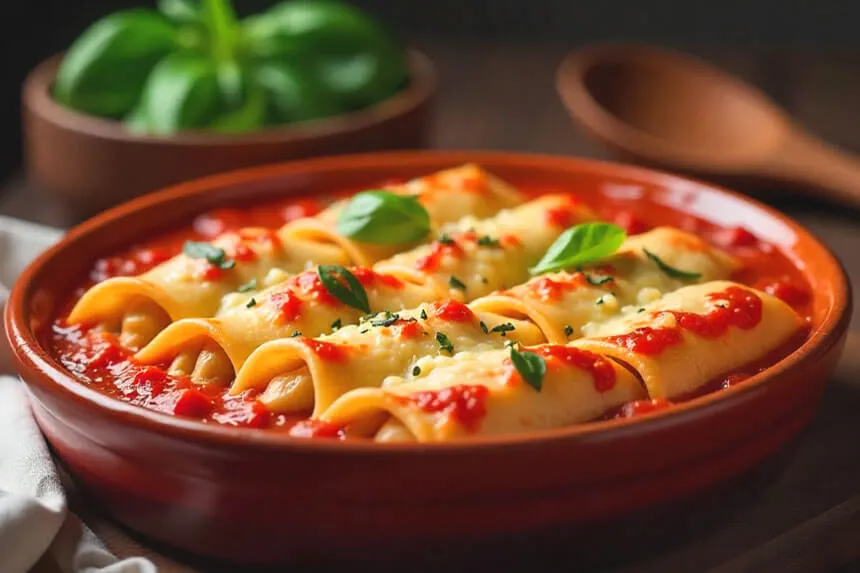
If we grew up around Italian-style meals, chances are we already know mannacote without realizing it. It looks almost identical to manicotti but the name is often used in family kitchens, community cafés, and creative food blogs.
Mannacote is a stuffed pasta dish made with large pasta tubes filled with a rich mixture of cheeses, herbs, vegetables, or meat. The tubes are arranged in a baking dish, covered in sauce, layered with cheese, and baked until everything melts into comfort.
Why People Prefer Calling It Mannacote
While manicotti is the classic name, mannacote has become a softer, more casual alternative. It feels homemade, cozy, and personal. It doesn’t sound like restaurant food, it sounds like family food.
We don’t make mannacote to impress strangers. We make it to feed our people.
How We Make Mannacote at Home
Every family has their own way, but here is the basic idea we all follow.
Ingredients We Usually Use
- Large pasta tubes or fresh rolled pasta sheets
- Ricotta cheese or cottage cheese
- Mozzarella and parmesan
- Garlic, herbs, black pepper
- Tomato or creamy white sauce
- Spinach, mushrooms, or minced chicken if we like extra filling
Simple Steps
We start by boiling the pasta tubes until they are just soft enough to handle. Then we mix our filling in a bowl, combining cheeses, herbs, and anything else we want inside.
We gently stuff the tubes, line them up in a baking dish, pour sauce generously over the top, sprinkle more cheese, and bake until bubbly and golden.
When we pull mannacote out of the oven, it doesn’t just look good. It smells like home.
Why Mannacote Is More Than Just Pasta
Mannacote isn’t about perfection. It is forgiving. We can change the filling, switch sauces, add leftovers, or make it fully plant-based. That flexibility is why it sticks around in our kitchens.
It also brings people together. It is not a one-person meal. We bake mannacote in large trays. We cut it into portions. We share it. That sharing energy is what makes the word special.
Mannacote Beyond the Kitchen
Here’s where the story becomes even more interesting. Mannacote is not only food. It is also a name used for coatings in agriculture and industry.
This version of mannacote is about protection, precision, and performance.
Mannacote in Agriculture
What Is Agricultural Mannacote?
In farming, mannacote often refers to a special coating applied to seeds or fertilizer granules. The coating acts as a shield and a slow-release system at the same time.
It protects nutrients from being lost in soil and controls how quickly plants absorb them.
Why Farmers Love It
Traditional fertilizers dissolve quickly. That means nutrients can wash away with rain or evaporate before plants fully benefit.
Mannacote solves that by wrapping nutrients inside a protective layer. This layer slowly breaks down, feeding the soil over time instead of all at once.
The result is healthier crops, less waste, and better long-term soil health.
Mannacote in Industrial Manufacturing
Smart Coating Technology
In industrial environments, mannacote refers to coatings applied to materials to protect them from corrosion, heat, moisture, and friction.
These coatings are thin but powerful. They extend the lifespan of machinery, reduce maintenance costs, and improve overall performance.
Where It Is Used
- Fertilizer production
- Construction materials
- Automotive components
- Food-grade packaging systems
- Chemical storage units
Every time we rely on something that needs to survive tough conditions, chances are a mannacote-style coating is involved.
The Philosophy Behind Mannacote
What connects pasta and industrial coatings? It sounds strange, but the answer is simple.
Mannacote is about care.
In food, we care enough to wrap nourishment in pasta and bake it with love.
In industry, we care enough to wrap materials in protective layers so they last longer and perform better.
It is the same human instinct expressed differently. We protect what matters.
Why Mannacote Is Gaining Popularity
We live in a world that is obsessed with efficiency and comfort. Mannacote represents both.
- In food, it saves time while delivering warmth and nutrition.
- In agriculture, it saves resources while boosting yield.
- In manufacturing, it saves money while increasing durability.
That is why the word is showing up more and more across industries.
Is Mannacote a Brand or a Concept?
It is actually both.
Some companies use mannacote as a brand name for their coating technology. At the same time, people casually use the word to describe any coating system that nourishes and protects.
In the kitchen, it is never a trademark. It is a nickname, a family phrase, a cozy way of saying stuffed pasta done right.
Mannacote in Everyday Life
We might not notice it, but mannacote quietly shapes our routines.
We bake it for birthdays and gatherings.
Farmers rely on it for healthier harvests.
Factories depend on it to keep machines running.
It is one of those words that hides in plain sight, doing real work without demanding attention.
How We Can Embrace Mannacote More
We don’t need special tools or expert knowledge to bring mannacote into our lives.
In the kitchen, we experiment with fillings and make it our signature family meal.
In the garden, we choose coated fertilizers that feed our soil responsibly.
In business, we invest in coated materials that last longer and waste less.
When we start thinking in layers, we start thinking smarter.
The Future of Mannacote
The idea behind mannacote is only growing stronger. As sustainability becomes more important, controlled-release systems and protective coatings will become standard.
In food, we will see more homemade versions, creative spins, and plant-based mannacote dishes.
In agriculture and industry, we will see smarter coatings that respond to temperature, moisture, and time. Coatings that don’t just protect, but adapt.
That is the real power of mannacote. It evolves.
Final Thoughts
Mannacote is not just a word. It is a way of doing things with care.
It is a dish that fills our homes with warmth.
It is a coating that strengthens our industries.
It is nourishment wrapped in protection.
When we understand mannacote, we understand something deeper about ourselves. We want our food to comfort us. We want our tools to last. We want what we build to be protected.
And that is exactly what mannacote does, in every form it takes.